Japan · culture, neighbourhoods, and mountain air
Kyoto, with a quieter edge
Kyoto rewards a slower plan. Pair a compact city base with one or two early starts, a less central neighbourhood, and enough margin to notice how temples, food, craft, and everyday life sit alongside one another.
Who it suits
Travellers who want history, food, gardens, crafts, and a trip that can be built around walking and public transport.
Time to allow
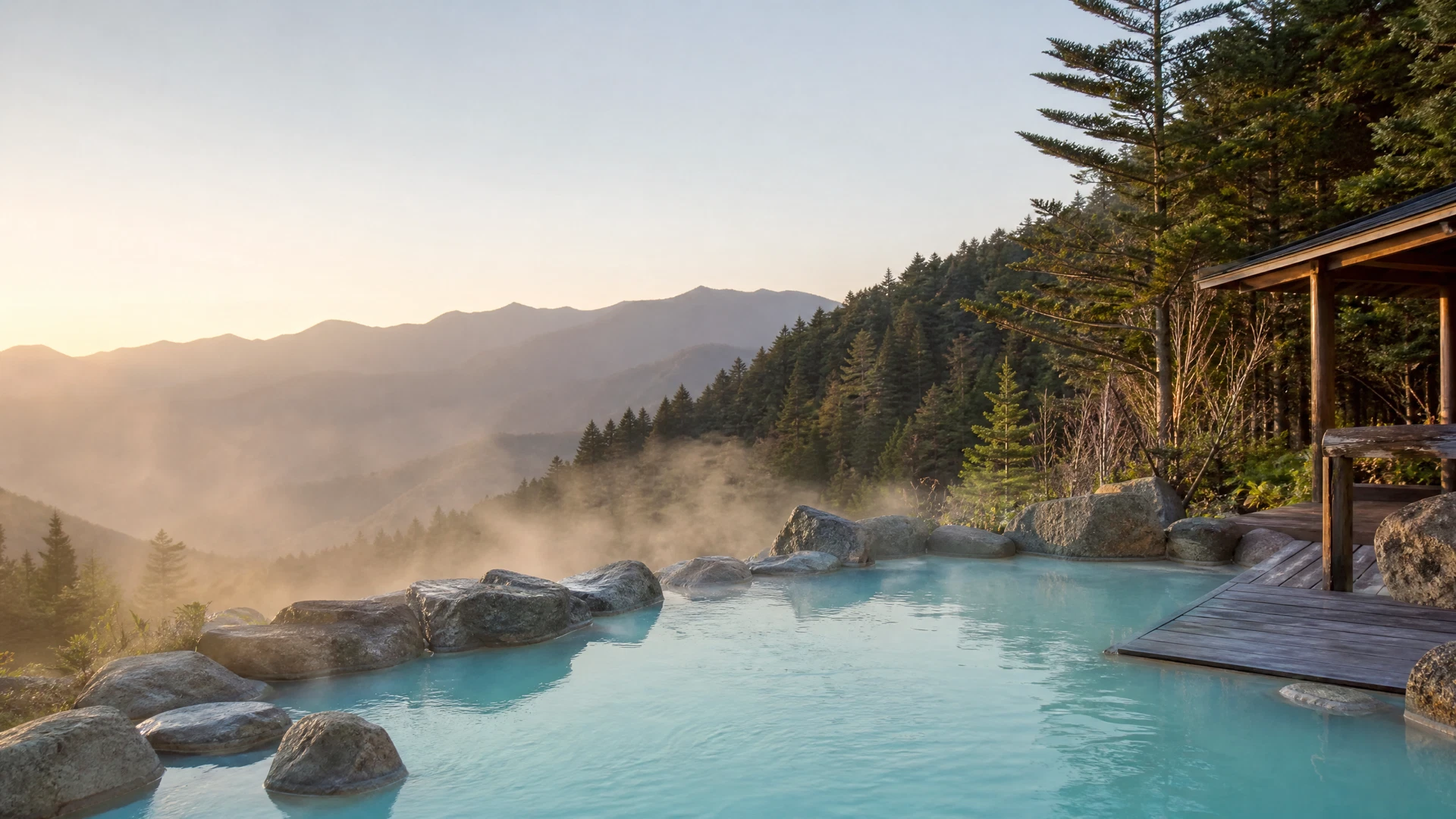
4–6 nights for Kyoto itself; add 1–2 nights in northern Kyoto or Yudanaka if an onsen stay is the priority.
Budget note
Planning estimate, not a live quote: use three bands—value, comfortable, and higher-comfort—then price accommodation, intercity rail, local transit, meals, admissions, and luggage storage separately. Kyoto room rates and seasonal demand vary substantially, so avoid treating one nightly figure as universal.
When to go
Spring and autumn are popular and can be crowded. Summer is hot and humid, while winter is quieter and can be atmospheric. Check event calendars and current congestion guidance before fixing a route.
A practical 5-night shape
- Nights 1–2: stay near Kyoto Station or Shijo-Karasuma for straightforward arrivals, rail connections, and a flexible first morning. Use one early temple or garden visit rather than stacking several major sights.
- Nights 3–4: choose one area deeply—Higashiyama, Arashiyama, Fushimi, or northern Kyoto—and keep the afternoon open for a meal, craft experience, or rest. A single area day reduces cross-city bus time.
- Night 5: decide whether you want a final city morning or a slower transfer toward an onsen base such as Yudanaka. Confirm the last connection and luggage plan before booking a late arrival.
Getting around without over-planning
Kyoto’s official guidance recommends combining trains and buses, but the best mode depends on the district and time of day. Use rail for longer cross-city movements, walk between nearby sights, and check the Kyoto route planner rather than assuming a bus is fastest.
Kansai International and Itami airports are outside Kyoto. Allow roughly a half-day of arrival margin when you include immigration, luggage, and the transfer into the city; verify current train or airport-bus schedules immediately before travel.
Large luggage can make buses and narrow streets harder for everyone. Consider station lockers or luggage forwarding where available, and check hotel acceptance rules before sending bags.
Where to stay
- Kyoto Station: useful for airport and regional connections, with a practical rather than intimate atmosphere.
- Shijo-Karasuma or central Kyoto: a balanced base for food, shopping, and several train or subway options.
- Higashiyama or Gion: atmospheric and close to major cultural areas, but residential streets require especially careful behaviour and quiet evenings.
- Ohara, Takao, or another outer area: better for a countryside feeling, but check evening transport, restaurant hours, and accessibility before committing.
Culture, food, and responsible travel
Enter temples and shrines according to posted rules, keep voices low in residential lanes, and never block a doorway for a photograph. In Gion, do not stop or touch geiko or maiko who are travelling to work. Kyoto’s official visitor guidance also asks visitors to eat food purchased at Nishiki Market at the shop and dispose of rubbish there.
Build meals around what the day can support: tofu and yudofu, seasonal vegetables, soba, tea, and small restaurant counters can be more meaningful than trying to collect every famous dish. Mention allergies clearly and carry a translation card if needed.
For step-free access, check each temple, station, hotel, and route individually. Hills, gravel paths, stairs, and historic buildings can create barriers even when the surrounding district is well connected. Ask venues about accessible entrances and toilets before booking.
What to verify before you go
- Current opening hours, reservation rules, festival dates, and congestion guidance for every major sight.
- The exact rail, bus, and airport-transfer timetable for your arrival and departure days.
- Whether your accommodation accepts luggage delivery and whether the route includes stairs or a long walk.
- Weather, heat, rain, and footwear needs for the season; do not assume a city itinerary is low-strain.
Before you book
- Choose one neighbourhood per full sightseeing day.
- Reserve any timed experience before building the rest of that day.
- Keep a small rubbish bag and follow local smoking and photography rules.
- Price the transfer to any onsen extension separately from the Kyoto stay.
Common mistakes
- Crossing the entire city several times in one day.
- Treating cherry blossom or autumn colour dates as guaranteed.
- Booking a beautiful but isolated stay without checking the last connection.
- Assuming historic sites have the same step-free access as modern stations.
Make it yours
Turn the research into a trip that fits your pace.
Use Aura’s planner to combine dates, budget, interests, mobility needs, and the amount of movement you actually want. Treat the result as a starting point and verify time-sensitive details before booking.
Plan with AuraOfficial sources to check
This guide is AI-assisted editorial planning content, not firsthand travel reporting. Seasonal schedules, entry rules, prices, weather, access, and local regulations can change; confirm them with the linked official sources before travel.